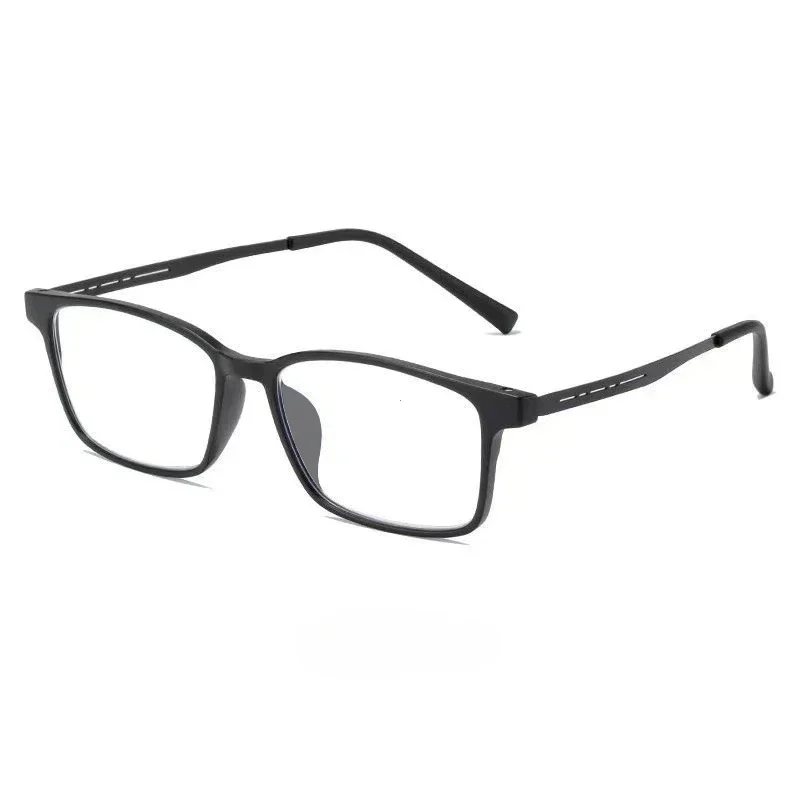
As someone who relies on reading glasses all day for computer work and evening reading, I’ve been through my share of cheap pairs. My old readers typically lasted a month before the arms became loose or the frame cracked—they were simply not up to the task.
I was determined to find a genuine upgrade. That’s when I chose the Matte Black Blue Light Blocking Reading Glasses, which promised an Ultralight TR90 and Titanium Alloy frame. This combination sounded ideal: strong yet light enough to avoid pinching my nose.
After using these presbyopia glasses for three full months, here’s my day-by-day assessment of whether they live up to their price and the surrounding hype.
The package arrived promptly. Inside, the glasses were housed in a sturdy case—a positive sign compared to the flimsy sleeves that usually accompany cheaper options. This case promised better protection in my bag.
Picking them up was a revelation. They felt incredibly light, even lighter than any plastic frame I’d owned before, confirming the "ultralight" claim. The Matte Black finish looked clean and professional, without any cheap glossiness.
Inspecting the materials, I noted the flexible TR90 temple arms, designed to bend without breaking, and the titanium alloy bridge and front frame. This smart construction blends flexibility where movement is needed with strength for structural integrity.
Putting them on, the optics were immediately clear, with no blurring or distortion at the lens edges. My initial impression was overwhelmingly positive.
I wore the glasses for about ten hours daily during the first week, mostly in front of screens. This period usually reveals any flaws in new readers.
I noticed a subtle, warm yellow tint—exactly what effective blue light filtering should provide. It softened the harsh glare from screens. By the end of the week, the usual afternoon eye fatigue and scratchiness I experienced had disappeared, replaced by significantly reduced strain.
With a wider head, I often find glasses pinch at the temples. I carefully checked the millimeter width specifications before ordering—a crucial step, as you can’t rely on vague terms like "standard" or "large."
The fit was perfect. They stayed snug without pressure behind my ears and didn’t slide down my nose, even when I bent over.
The first month tests routine durability. I’m not gentle with my glasses—they get tossed into bags, sat on, and generally mistreated.
Here are the key findings from this period: